The Complete Guide to Opals

Discover the mesmerizing world of opals - from their unique play of color to expert care tips and buying advice. Everything you need to know about these extraordinary gemstones.

Types of Opals

Opals come in various types, each with unique characteristics and stunning beauty. Explore the different varieties to find your perfect gemstone.
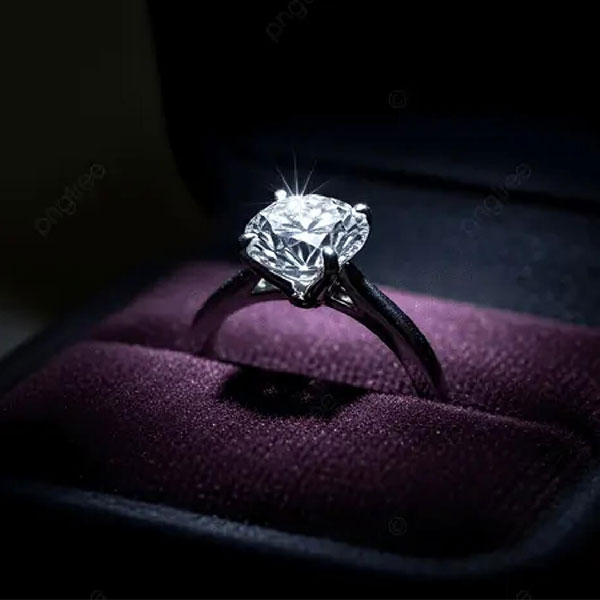
Black Opal

Black Opal

The rarest and most valuable type, featuring vibrant colors against a dark body tone. Primarily sourced from Lightning Ridge, Australia.
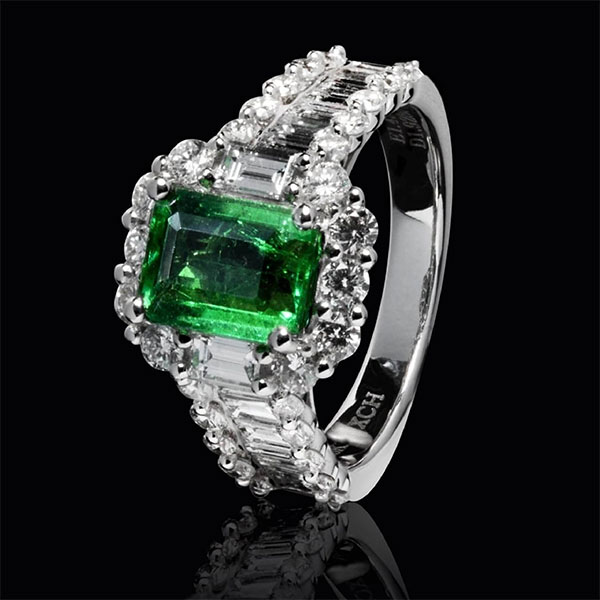
Most Valuable Rare Vibrant Colors
White Opal

White Opal

Features a light body tone with beautiful play-of-color. Most common type of precious opal, offering excellent value and beauty.
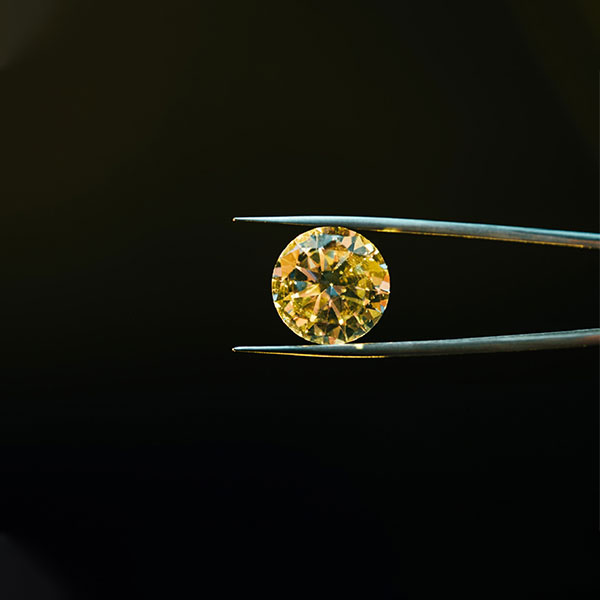
Classic Affordable Versatile
Boulder Opal

Boulder Opal

Opal embedded in its natural host rock (ironstone), creating unique patterns and exceptional durability. Found in Queensland, Australia.
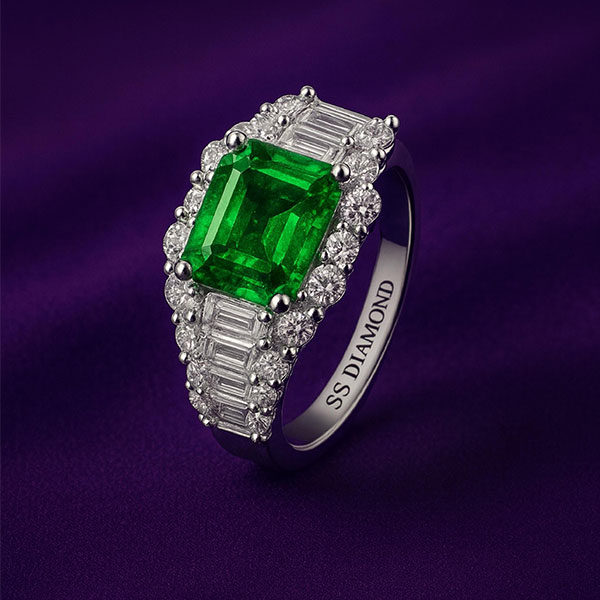
Durable Unique Natural Matrix
Crystal Opal

Crystal Opal

Transparent to semi-transparent opal with exceptional clarity, allowing light to pass through and create spectacular color displays.
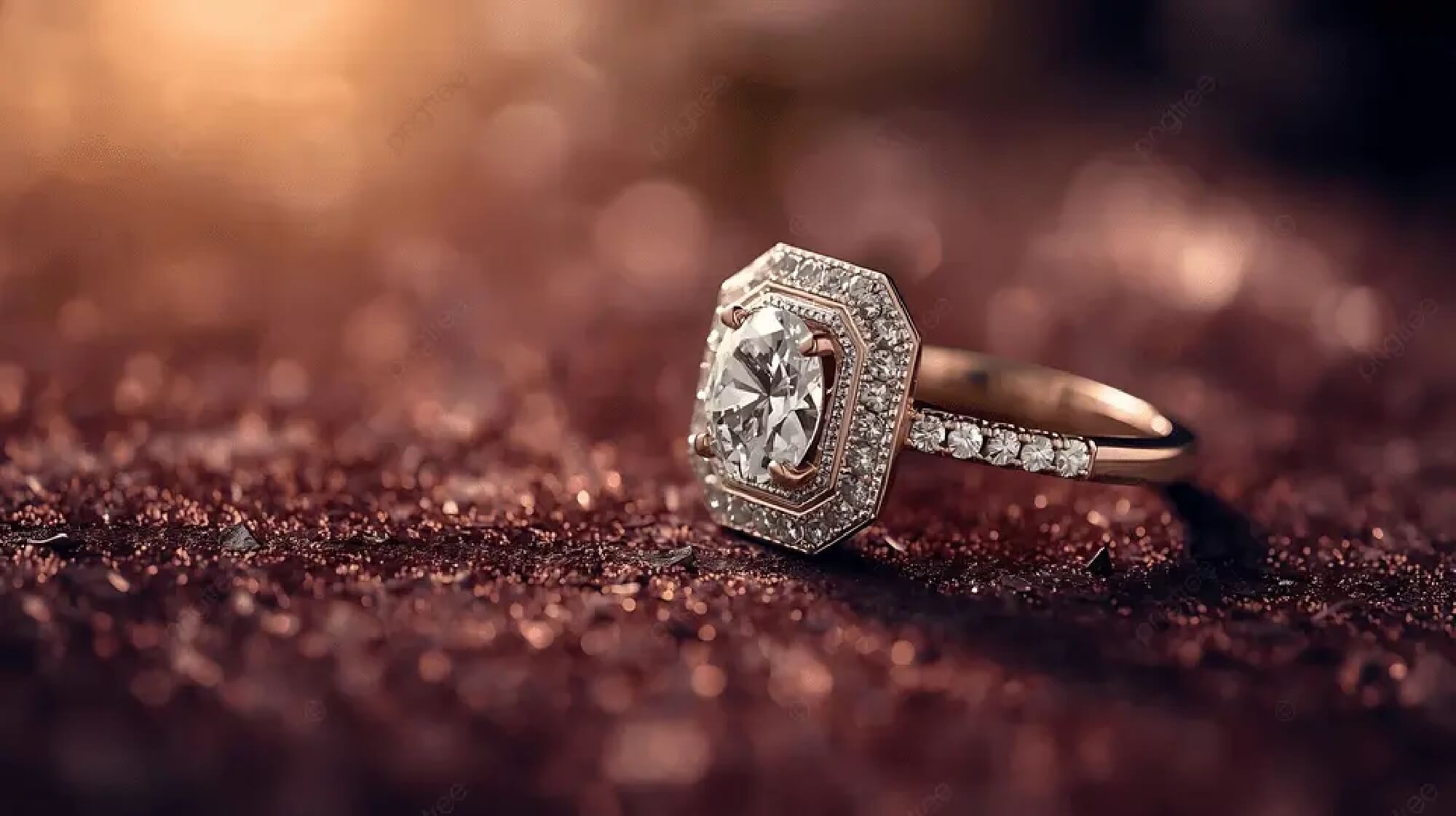
Transparent Brilliant Light Play
Fire Opal

Fire Opal

Known for its warm orange to red body color. May or may not display play-of-color. Primarily found in Mexico and valued for its vibrant hue.
Warm Tones Mexican Bold
Matrix Opal

Matrix Opal

Opal diffused throughout the host rock in fine veins and patches, creating a speckled appearance with flashes of color throughout.

Speckled Distinctive Natural

Play of Color in Opals

The magical phenomenon that makes opals unique - their ability to display a spectrum of colors that shift and change as the stone moves.
Red
Most rare and valuable
Orange
Warm and vibrant
Yellow
Bright and cheerful
Green
Common and beautiful
Blue
Highly sought after

How to Care for Your Opal

Opals require special care to maintain their beauty. Follow these guidelines to keep your opal jewelry stunning for years to come.

Do's

  • Store opals in a padded cloth pouch
  • Clean with mild soap and lukewarm water
  • Use a soft, damp cloth for cleaning
  • Remove before sports or heavy physical activity
  • Have jewelry professionally checked annually

Don'ts

  • Avoid extreme temperature changes
  • Don't use ultrasonic or steam cleaners
  • Keep away from harsh chemicals and bleach
  • Avoid prolonged exposure to direct sunlight
  • Don't store with harder gemstones

Buying Guide

Make an informed decision with our expert buying guide. Learn what to look for when purchasing your perfect opal.

1

Color Evaluation

Look for vibrant, varied colors with good saturation. Red and orange hues are most valuable.

2

Pattern Assessment

Examine the pattern distribution. Harlequin and pinfire patterns are highly prized.

3

Clarity Check

Inspect for cracks, crazing, or inclusions that may affect durability and beauty.

4

Certification

Always request documentation from reputable gemological laboratories for valuable pieces.

Frequently Asked Questions

This is a myth! Opals were actually considered symbols of hope, purity, and truth in ancient times. The superstition arose from a 19th-century novel and has no basis in fact. Opals are beautiful gemstones that bring joy to their wearers.
Real opals display a unique play-of-color that changes with viewing angle. They feel slightly warm to touch and have natural inclusions. Synthetic opals often show too-perfect patterns. For valuable pieces, always get certification from a reputable gemological laboratory.
While opals can be worn daily with proper care, they're softer than diamonds (5.5-6.5 on Mohs scale). Choose protective settings like bezels for rings, and avoid wearing during activities that could damage the stone. Pendants and earrings are excellent for everyday wear.
Solid opals are 100% natural opal. Doublets consist of a thin layer of opal glued to a backing (usually black). Triplets have an additional protective cap (usually quartz or glass). Solid opals are most valuable, while doublets and triplets offer affordability.
Opal prices vary dramatically based on type, color, pattern, and size. White opals can start from £50 per carat, while exceptional black opals can exceed £10,000 per carat. Boulder and crystal opals fall in between. Quality and rarity are the main price factors.
Most solid opals don't need to be stored in water. However, if you have Ethiopian opals (which are hydrophane) or live in very dry climates, occasional moisture exposure can be beneficial. Never store doublets or triplets in water as this can damage the adhesive.